
A display that looks impressive in a showroom can fail quickly in a sunlit boardroom, a divisible training space, or a busy reception area. The decision between LED walls versus projectors is not simply about screen size. It affects how people collaborate, how readily a room supports video conferencing, how much maintenance your team takes on, and whether the investment will serve the space for years.
For business and institutional environments, the best option is usually determined by room conditions and operational requirements rather than preference alone. Projectors remain an effective and economical choice in the right setting. LED walls provide exceptional brightness, scale, and reliability where visual impact and continuous use matter most. The right answer starts with a clear assessment of the room.
LED Walls Versus Projectors: The Core Difference
A projector creates an image by casting light onto a separate screen or wall. Its image quality depends on the projector, the screen material, ambient light, throw distance, alignment, and ongoing calibration. It is a familiar approach for classrooms, training rooms, and larger meeting spaces where the lights can be controlled.
An LED wall is a direct-view display made from modular LED panels. Each panel contains its own light source, allowing the wall to produce a bright image without relying on a projection surface. Panels can be assembled into custom dimensions and aspect ratios, making LED suitable for large presentation backdrops, command centers, lobbies, auditoriums, and premium collaboration spaces.
The difference sounds straightforward, but it has practical consequences. A projector can be discreet and cost-effective, particularly at large image sizes. An LED wall is generally more visible as an installation and has a higher initial cost, but it performs more consistently in bright environments and can operate for long hours without lamp changes or the same degree of image washout.
Brightness and Ambient Light
Ambient light is often the deciding factor. Projectors perform best when a room has controlled lighting. Even high-brightness laser projectors can lose contrast when direct sunlight or strong overhead lighting reaches the screen. Text becomes harder to read, video loses depth, and remote participants may struggle to see shared content.
LED walls generate significantly more light than projection systems. This makes them a strong choice for areas with windows, open-plan layouts, retail-style reception spaces, and multipurpose rooms where lights need to remain on. They preserve color and contrast under conditions that would challenge a projector.
That does not mean an LED wall is necessary for every bright room. Window treatments, carefully positioned screens, and an appropriately specified laser projector may provide a practical outcome at a lower capital cost. The key is to evaluate the actual room at the time it will be used, not under ideal demonstration conditions.
Viewing Distance and Pixel Pitch
With LED, pixel pitch matters. Pixel pitch is the distance between the LEDs on the display surface. A finer pixel pitch creates a sharper image at close viewing distances, but increases cost. A wall intended for viewers seated six feet away needs a finer pitch than a large lobby display viewed from across a room.
Projectors do not use pixel pitch in the same way, but resolution and screen size still matter. A 4K projector may deliver excellent detail, yet the perceived clarity depends on the size of the projected image and how close viewers sit. For meeting rooms, presentation text and video conferencing layouts should be tested from the nearest seats, not only from the back of the room.
Image Quality for Collaboration and Presentations
For standard presentations, training sessions, and video calls, both technologies can deliver professional results when specified correctly. The distinction becomes clearer with detailed content, motion, and demanding viewing conditions.
LED walls offer strong color saturation, high contrast, and consistent brightness. They are particularly effective for dashboards, data visualization, corporate communications, high-resolution video, and branded content. Their image remains stable over long operating periods, which is valuable in spaces that run all day.
Projectors can produce a large, engaging image with natural color and excellent detail, especially in controlled environments. Modern laser models have improved substantially in brightness and lifespan. They are often well suited to education spaces, training facilities, and larger conference rooms where a large screen is needed but the room does not justify the expense of an LED installation.
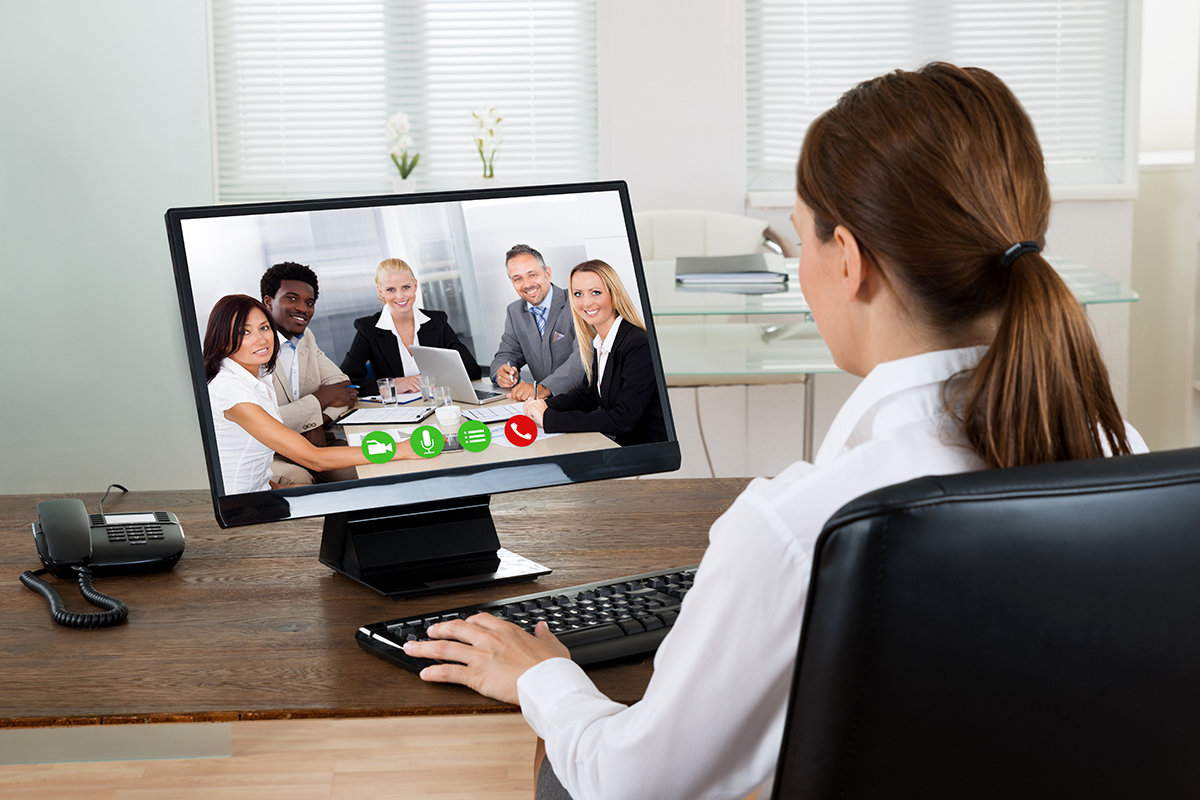
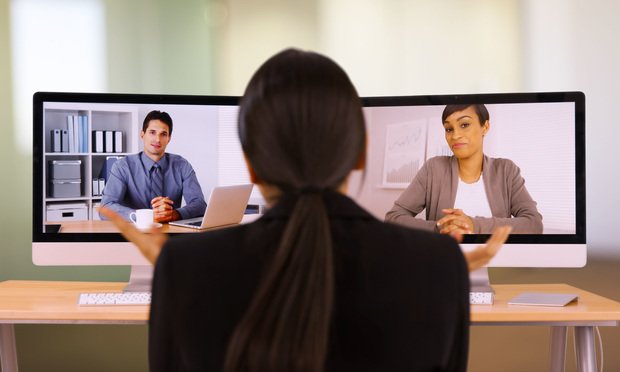
Video conferencing adds another consideration: camera placement. A large LED wall or projection screen must be designed around the camera field of view, participant sightlines, microphone coverage, and the meeting platform in use. A display decision made in isolation can create awkward camera angles or poor content visibility for remote attendees. An integrated room design addresses the whole meeting experience, including audio, control, and connectivity.
Installation Requirements and Room Design
Projectors need a clear optical path between the device and the screen. Depending on the projector type, that may require ceiling mounting, a structural bracket, cable routing, and careful alignment. Short-throw and ultra-short-throw models reduce shadows and simplify some room layouts, but they still require a suitable screen surface and careful setup.
LED walls require structural planning, power distribution, ventilation, data connections, and access for servicing. The wall may be mounted directly to a reinforced surface or installed on a purpose-built frame. In boardrooms and customer-facing spaces, the surrounding finish matters as much as the display itself. Poorly planned cabling, visible gaps, or inadequate service access can undermine an otherwise high-quality installation.
Neither option should be selected solely from a product specification sheet. A site survey should consider wall construction, ceiling height, viewing angles, glare, available power, network requirements, acoustics, and the control system. This is particularly important when the display needs to work alongside Microsoft Teams Rooms, Zoom Rooms, room scheduling, wireless presentation, or digital signage platforms.
Initial Cost Versus Long-Term Cost
Projectors usually have a lower upfront cost, especially for large images. A quality laser projector and professional screen can provide significant visual impact without the investment required for a fine-pitch LED wall. This makes projection attractive for budget-conscious deployments and spaces with predictable lighting.
LED walls typically demand more upfront investment. The cost includes panels, mounting, processors, installation, commissioning, and potentially structural work. However, they can offer a long operating life, high brightness, and reduced dependence on consumable lamps. In high-use environments, those benefits can strengthen the long-term business case.
Maintenance should be evaluated realistically. Laser projectors require less upkeep than older lamp-based models, but filters, optics, alignment, and screen condition still need attention. LED walls need monitoring and occasional module replacement, and they should be supported by a provider that can manage calibration, spares, and warranty processes.
The total cost of ownership also includes downtime. If a display supports executive briefings, emergency operations, clinical coordination, or public communications, reliability has a commercial value beyond the purchase price. A less expensive system that is difficult to service can become costly when it disrupts critical work.
When a Projector Is the Better Choice
A projector is often the right decision when the room has controlled lighting, a large image is required, and budget efficiency is a priority. It works well for lecture theaters, flexible training rooms, and presentation spaces where users primarily view slides, video, and shared content from a distance.
It is also a sensible choice where design constraints favor a retractable screen. A screen can disappear when the room is used for other purposes, preserving a clean architectural finish. In these environments, the projector should be paired with the correct screen, mounting method, source switching, and room controls rather than treated as a standalone device.
When an LED Wall Is the Better Choice
An LED wall is better suited to bright spaces, high-visibility environments, and applications that demand all-day operation. Reception areas, experience centers, operations rooms, trading floors, large boardrooms, and collaborative command spaces are common examples.
It is also compelling when content must remain readable from a wide range of viewing angles or when the display itself represents part of the organization’s customer experience. For premium executive spaces, an LED wall can create a polished presentation environment while supporting video conferencing, digital signage, and live content on one platform.
The caveat is that LED should be sized and specified carefully. An oversized wall with an unsuitable pixel pitch can be expensive without improving the experience for viewers seated nearby. Design should follow viewing distance and use case, not just the desire for the largest possible display.
Make the Decision Part of a Complete AV Plan
The display is only one component of a successful workplace technology environment. The most effective rooms bring together display technology, cameras, microphones, speakers, content sharing, room control, network design, and user support. Each element should work reliably with the organization’s collaboration platform and operational workflows.
For organizations deploying rooms across multiple sites, standardization is equally valuable. A repeatable room design reduces support calls, simplifies training, and gives users a consistent experience whether they are joining a meeting from a boardroom, classroom, or regional office. eVideo helps organizations assess these requirements, source multi-brand technology, manage installation, and provide ongoing support across Australia.
Before choosing a display, arrange a site assessment and test real content in the intended room conditions. A well-designed projector solution can be the most practical investment in one space, while an LED wall may be the clear choice in the next. The goal is not to buy the most visible technology. It is to create a room where people can see, share, and make decisions without the technology getting in the way.